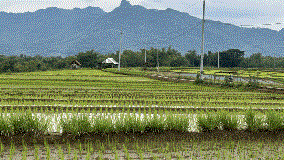
Sustainable rice in Asia has already passed its first test. Across multiple pilots, the science has been proven in the field. One example comes from Grobogan, Central Java, where trials run by Temasek Life Sciences Laboratory cut methane emissions and water use by 30% to 50% while lifting yields by 5% to 10%. The second test depends on the market. Farmers change how they grow rice when someone agrees to buy it, and many sustainable rice projects remain stuck at pilot scale.
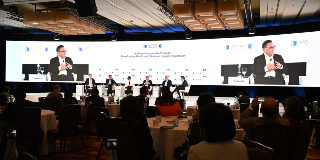
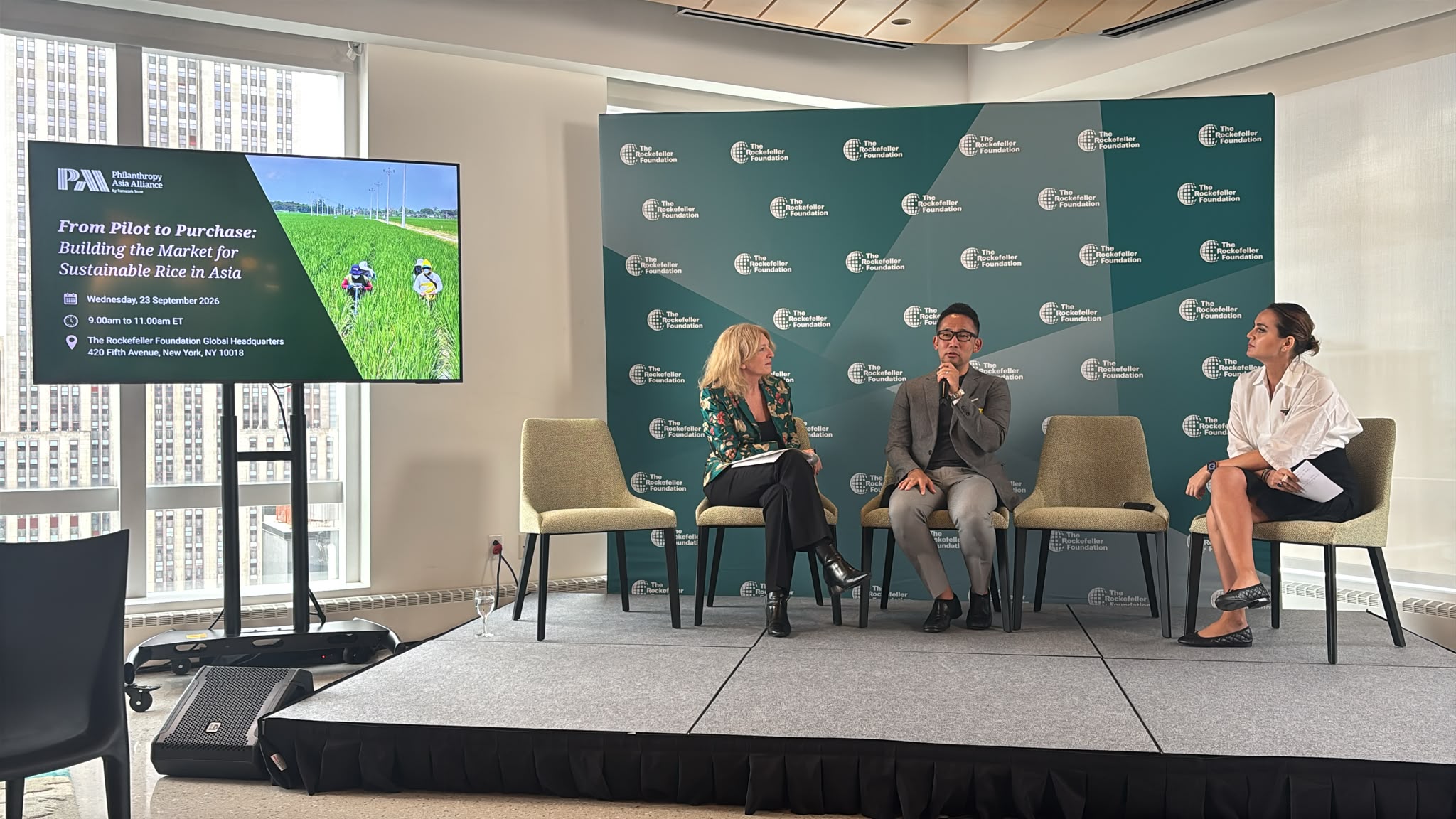
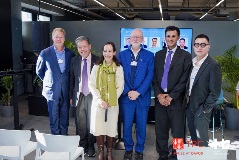
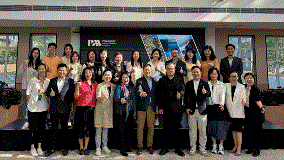
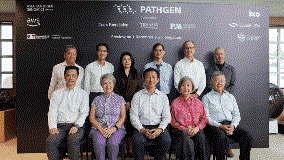
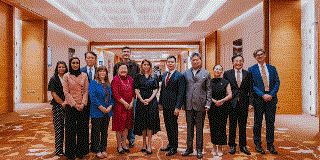
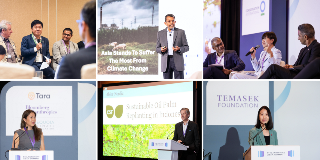
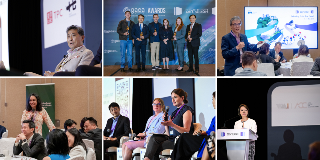
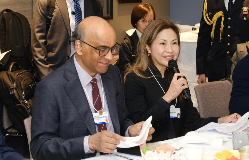
During Climate Week NYC 2026, Philanthropy Asia Alliance (PAA) convened a closed-door roundtable at The Rockefeller Foundation's New York office to ask how sustainable rice moves from pilot to purchase. Cross-sector leaders took part, and the discussion kept returning to one conclusion. Scale depends on public policy, market demand, landscape coordination and finance moving as one system, instead of separate efforts.
Why sustainable rice matters in Asia now
Close to 90% of the world's rice is grown and eaten in Asia, and its cultivation contributes nearly a third of the region's methane emissions. Methane traps roughly 30 times more heat than carbon dioxide, so how paddies are flooded and fertilised affects the climate as much as the harvest.
Flooded paddies drive those emissions. Sustainable rice is rice grown with climate-resilient varieties and better water and nutrient management, including alternate wetting and drying, which lets a flooded field dry out between irrigations. Together these practices cut methane emissions and water use while yields stay steady or rise.
A Super El Niño is bringing drier seasons to farms across Southeast Asia, and forecasters expect it to intensify well into 2027. Falling yields threaten the livelihoods of smallholder farmers, which makes methods that use less water more valuable with each dry season.
What PAA saw in Indonesia and Vietnam before New York
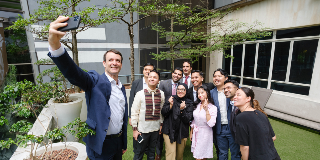
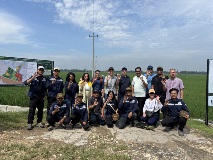
The New York roundtable was one stop in a longer series of convening. PAA held a roundtable during London Climate Action Week in June, then made field visits in Indonesia and Vietnam to see what sustainable rice looks like on the ground.
In Grobogan, the team visited trial plots that Temasek Life Sciences Laboratory runs with PAA's support. Shaun Seow, PAA's CEO, set out the commercial questions in an interview with CNA in Semarang. "Will the price point be similar? Will it taste as good as traditionally grown rice?"
A week of meetings with farmers and researchers in Vietnam showed lower-emission methods already in use in the Mekong Delta. On fields managed by agri-tech company Rize, a digital layer logs water levels field by field, which supports methane reduction and helps meet the residue limits that major export markets set.
Both visits pointed to the same gap. Farmers and suppliers can grow rice with lower emissions. What is often missing is coordinated demand from buyers, alongside financing that supports adoption and scale. PAA and its partners are focused on bringing these market actors together so sustainable rice can move from demonstration projects to commercial markets.
Five lessons for scaling sustainable rice in Asia
1. Start with specific, long-term demand
Intent to buy sustainable rice does little for a farmer deciding what to plant. A credible buyer is specific about product, geography, volume, price and timeframe. Long-term purchasing commitments build more confidence along the supply chain than short-term price premiums, because farmers and financiers can plan beyond a single season.
2. Make farmer economics the driver of adoption
Farmers adopt new practices when the switch lowers their risk and raises their income. Cheaper inputs and higher yields lift earnings. Affordable working capital and insurance protect a household through its first season on new methods, and secure offtake means the harvest has an agreed buyer. Participants argued that these can matter more to the decision than a price premium.
3. Let government provide the platform for scale
Individual projects cannot build the direction and infrastructure that governments can. National targets set the goal, while procurement programmes and extension services create buyers and teach new methods. Vietnam's 1M ha Program, which targets one million hectares of high-quality, low-emission rice in the Mekong Delta by 2030, shows what follows when implementation is aligned with a national priority.
4. Coordinate delivery at landscape level
Demand alone cannot be met while supply stays fragmented. Coordination at landscape level means one plan for a whole rice-growing area rather than farm-by-farm projects. The plan links farmers with the buyers who source from them, and ties finance and extension support to local government. Because it can adapt methods to local conditions, isolated pilots become dependable supply.
5. Close the missing middle, and plan the exit for catalytic funding
Grants and technical assistance get small enterprises started, yet many are not ready for the large investments that development banks and commercial investors require. Participants described that gap, the missing middle, as the biggest of all. Seed funding and redeemable grants can bridge it, as can guarantees and investment hubs.
Development aid and philanthropy remain essential for absorbing early risk and funding technical assistance while new models are proven. Their role should be designed to shrink as guarantees are released and commercially sustainable financing takes over. Collaboration also lowers the cost of scale. Companies that act alone build parallel systems that are expensive and difficult to sustain, while companies that pool their buying and share traceability and farmer support spread those costs along the value chain.
What happens next for sustainable rice in Asia
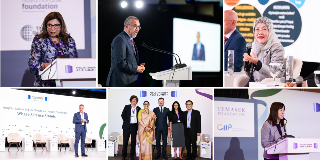
Bangkok is the next stop in October 2026, where PAA joins the World Economic Forum's First Movers Coalition for Food to carry these questions forward. The coalition aims to use the combined buying power of its corporate members to create demand for sustainably produced, low-emission farm commodities.
Sustainable rice has passed its first test in paddies across Central Java and the Mekong Delta. The science works. Scale now depends on the market. Farmers, buyers, financiers and exporters need one system they can trust. PAA and its partners aim to help build that system across priority rice markets in Asia.








.tmb-.gif?Culture=en&sfvrsn=e13997ec_1)
.tmb-.gif?Culture=en&sfvrsn=b5ece239_1)
.tmb-.gif?Culture=en&sfvrsn=6fb3b6df_1)
.tmb-.png?Culture=en&sfvrsn=7fea9931_1)
.tmb-.gif?Culture=en&sfvrsn=3f4b1163_1)

.tmb-.jpg?Culture=en&sfvrsn=fedc60fc_1)